

10 Years of Bajirao Mastani: Sanjay Leela Bhansali’s Ode to Strong Women, Grand Love and Timeless Cinema
As Bajirao Mastani completes ten glorious years on December 18, 2025, the film stands tall not just as a cinematic spectacle but as a powerful testament to Sanjay Leela Bhansali’s unwavering commitment to portraying strong, complex women on celluloid. Few filmmakers in Indian cinema have consistently placed women at the emotional and moral centre of their narratives the way Bhansali has, and Bajirao Mastani remains one of his finest examples.
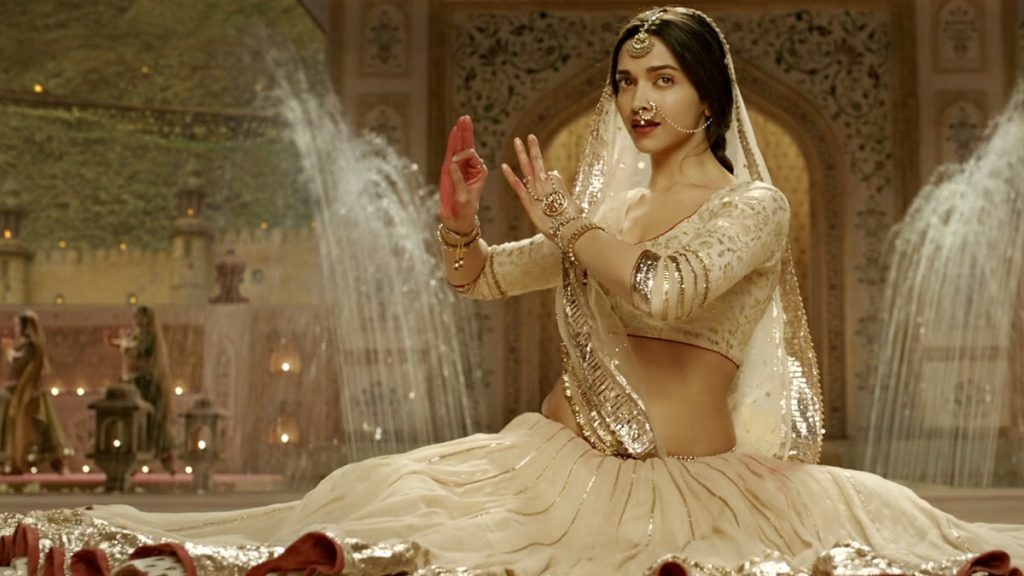
In this epic, Bhansali presents two women — Mastani and Kashibai — who are worlds apart in temperament, social standing, and destiny, yet equally formidable in spirit. Deepika Padukone’s Mastani is not written as a fragile romantic muse but as a warrior, a poet, and a woman who refuses to apologise for her love. She rides into Bajirao’s life with courage, grace, and conviction, fully aware of the resistance she will face. Mastani’s strength lies not just in her swordsmanship but in her emotional resilience—she chooses love in a world that denies her legitimacy, and she does so with dignity and defiance.
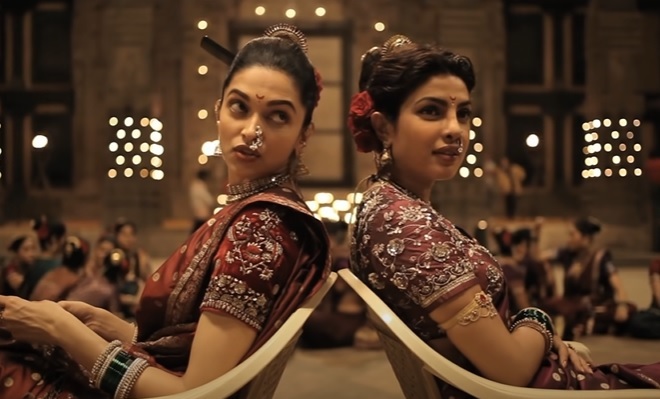
On the other end of the emotional spectrum stands Priyanka Chopra’s Kashibai, one of the most layered female characters Bhansali has ever created. Kashibai’s strength is quieter but no less powerful. As the lawful wife, she embodies loyalty, grace, and restraint, even as her world crumbles. Priyanka brings extraordinary depth to Kashibai, making her pain palpable without ever reducing her to a victim. Kashibai’s ability to hold on to her self-respect, her compassion towards Mastani, and her unwavering sense of self makes her a triumph of writing and performance. Bhansali allows her sorrow to breathe, turning it into quiet rebellion rather than loud breakdowns.
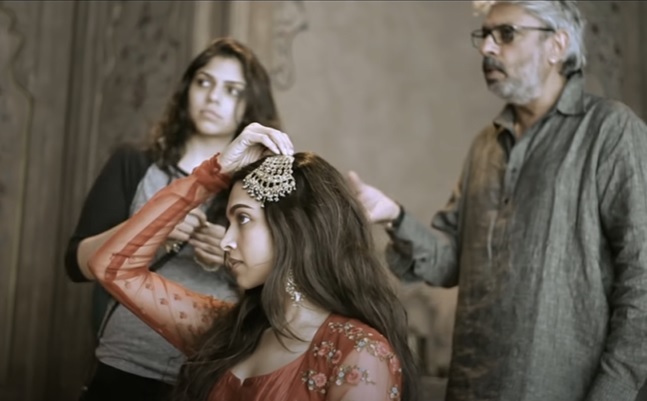
What makes Bajirao Mastani truly remarkable is that Bhansali never pits these women against each other in a simplistic rivalry. Instead, he shows how patriarchy, politics, and societal rigidity wound them both in different ways. Their shared pain and unspoken understanding elevate the narrative, reinforcing Bhansali’s long-standing belief that women, even when placed in conflict, can be written with empathy, agency, and emotional intelligence.
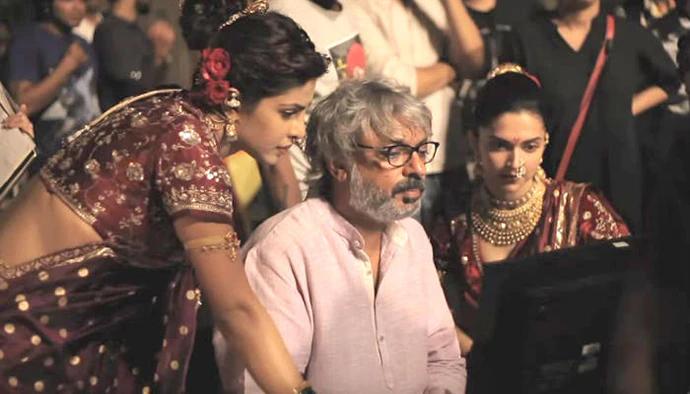
Anchoring this powerful female narrative is Ranveer Singh’s towering portrayal of Peshwa Bajirao. Singh brings intensity, vulnerability, and raw passion to the role, portraying a man torn between duty and desire. Bajirao is a fearless warrior on the battlefield, yet deeply human in love and loss. Ranveer’s performance complements Bhansali’s vision—his Bajirao is neither glorified nor vilified but shown as a man shaped by his choices and their consequences. His chemistry with both Deepika and Priyanka adds further emotional weight to the film, making the triangle deeply affecting rather than melodramatic.
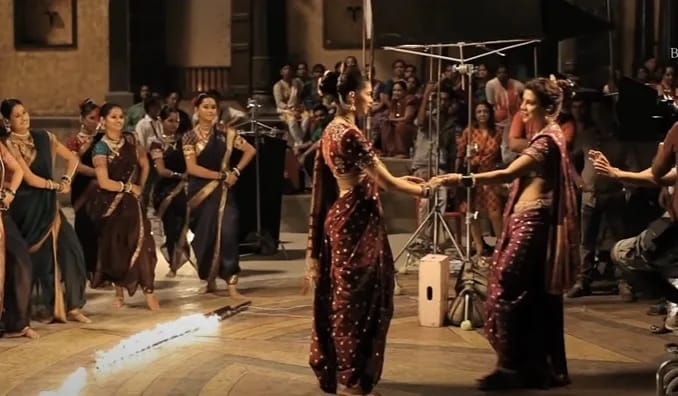
Beyond Bajirao Mastani, Sanjay Leela Bhansali’s legacy lies in how he has consistently elevated Indian cinema to global heights. His films are not just stories; they are operatic experiences—rich in visual poetry, music, and emotional grandeur.
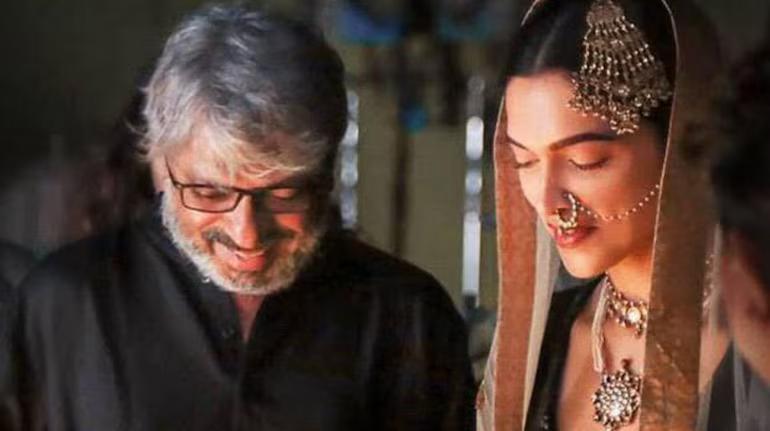
It is this distinctive cinematic language that often draws comparisons with legends like Guru Dutt and Raj Kapoor, filmmakers who used cinema as an art form to explore human emotions, social structures, and timeless themes. Like them, Bhansali creates worlds that linger long after the screen fades to black.

A decade later, Bajirao Mastani endures because it is more than a historical romance—it is a film where women are allowed to be strong, vulnerable, dignified, and unforgettable. In celebrating ten years of the film, one also celebrates Sanjay Leela Bhansali’s enduring belief that powerful cinema begins with powerful women, and that belief continues to define his extraordinary contribution to Indian cinema.