
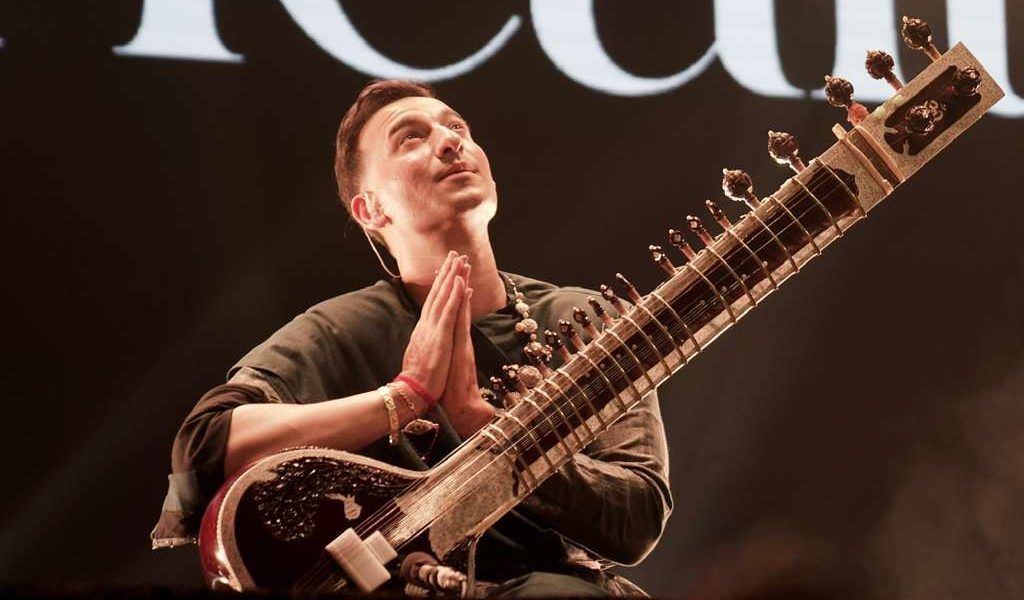
Ahead of his acclaimed global tour, ‘Sitar for Mental Health’ in Dubai, sitar maestro Rishab Rikhiram Sharma talks to Aakanksha Naval-Shetye about his excitement of his first concert here, his soul-stirring compositions that redefine the way classical music resonates with younger generations and reveals some surprising facts about himself!
If you walked past Rishab Rikhiram Sharma on the street, chances are you wouldn’t immediately peg him as a seventh-generation sitar maestro that he actually is. He’s deeply rooted in legacy, sure, but he wears it lightly! Trading off his Kurtas for cool streetwear when not on stage mesmerising thousands with his strings tugging at hearts, he candidly admits to listening to underground hip-hop as much as he listens to his Guru’s classical tunes. Refreshingly honest and fun, he’s a rare mix of the old and the new! We caught up with him ahead of his internationally acclaimed global tour, ‘Sitar for Mental Health’ to be held at Coca-Cola Arena in Dubai on January 31, 2026. The concert is exclusively produced by leading live entertainment promoters Blu Blood and is expected to witness a sold-out spectacle with over 10,000 attendees. This soul stirring concert will not only mark Rishab’s long-awaited debut performance in the region but will be a major highlight on the city’s cultural calendar for 2026, promising an immersive and transformative evening of soul stirring music and mindfulness designed to spark conversations around mental well-being.
In a candid chat, we found out how Rishab belongs to a new generation of cultural disruptors who don’t believe tradition needs to look or sound a certain way to be respected. He’s as comfortable talking about mental health, mindfulness, and the chaos of modern life as he is joking about his favorite artists, travel mishaps, or why silence can sometimes be louder than noise. There’s an ease to him that instantly disarms you — no pretension, no guru energy, just curiosity, warmth, and a sharp sense of humor.
In this exclusive conversation, Rishab opens up about life beyond the sitar: the music he actually listens to, how style and self-expression matter to him, and why connecting with younger audiences has never been about “modernizing” classical music — but about being real. He also talks about his drive for putting the spotlight on mental health through his soul-stirring music. Excerpts
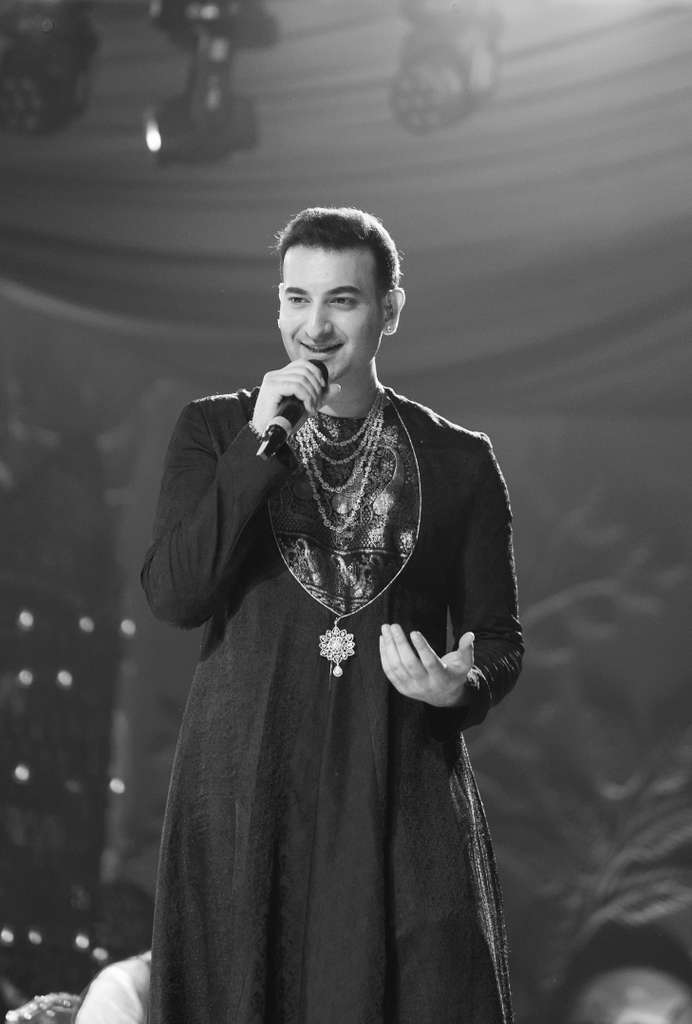
‘Sitar for Mental Health’ is your first ever concert in Dubai! How excited are you?
Yes, this is my first public ticketed event that I am going to be doing in Dubai. I performed here in 2014 too, but it was at a closed door event. So, this is going to be my very first full length show in Dubai and I am really excited and am looking forward to it.
What’s your line-up like, what can Dubai expect?
The music to its core remains very traditionally influenced and in markets like Dubai, Singapore, there’s a huge diaspora population that attends my events. So I include some Bollywood tunes, also because nostalgia is something that makes you feel better in terms of your mental health. So we definitely will include those as well as the Harry Potters and Game of Thrones of the world and make a nice medley of all these, designed to just make people feel happy. But what’s going to be special for Dubai is that we have some new music that we are going to preview ahead of the release. So there’s going to be a lot of unreleased music that you’re going to hear.
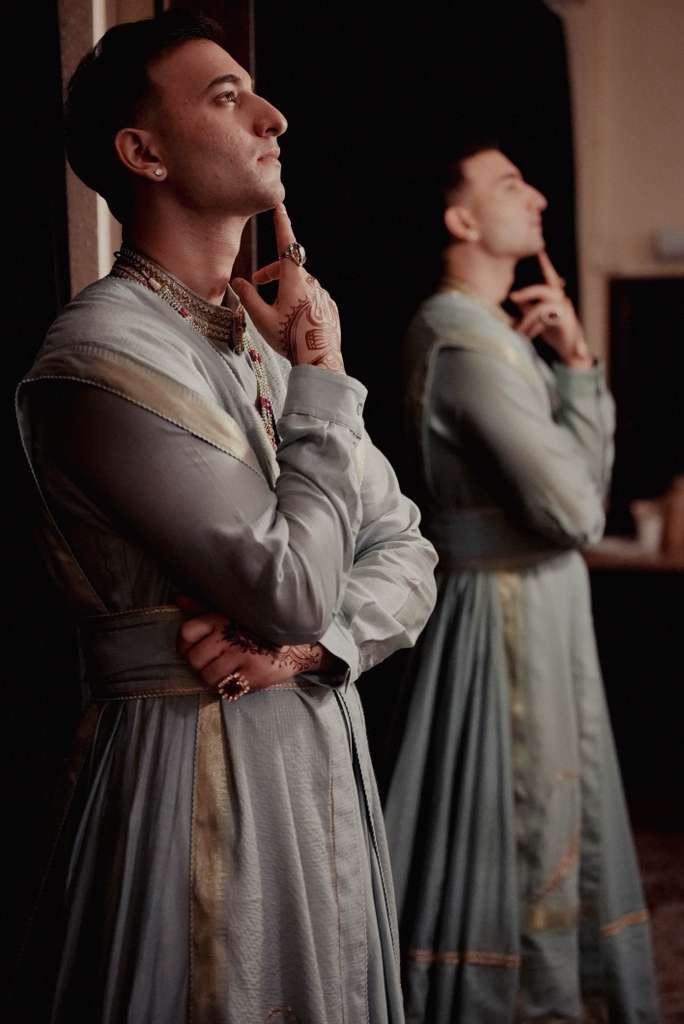
People tend to associate classical music with a certain pre-conceived image of an artist and also the music. How have you broken away from that, made it so relatable to the youngest generations and yet retained the ethos of the classical art form?
I try to be as classical or traditional as possible. But obviously, you as an artist are an influence of everything that you have sensed in terms of visual, aural and experienced. You’re a combination of that and your art form reflects that as well. So, even though my training was very traditional under my Guru, I still add a little bit of myself in my music. And I think that sort of the relatable factor. I would play something classical, but I will make it a little hip-hop that’s more relatable for people my age. Especially when you make music for mental health. And that affects everyone of any age. So when you make music, which is of that intent and you want to move people, our audience range is from 8 to 80. It is quite phenomenal because there’re not a lot of artists that can say that their audiences are from 8 years old to 80 years old. So that’s the beauty of our music, that defies relevance, it defies everything else and it just hits your soul. So I just follow that. I just follow my internal voice when I’m making music and just make it with good intention.
How and when did you think of combining your music with mental health and its well-being on such a global scale?
I learned this the hard way because I was going through a lot of anxiety and depression when I lost my grandfather and had sort of taken a break from playing and I wasn’t myself in that period. It was then I realized the power of music along with it being therapy, as it was helping me feel better. Music and Sitar was the most instrumental part, no pun intended, in making me feel better and helping me cope. Music was one thing that me and my Nanu used to really connect on. We had a very deep connection surrounded by music, especially from the 50s, 60s, 70s. So I used to play all these songs for him. And I was pretty heartbroken when he passed.
I started reading about mental health and I really have to thank my circle and my friends who sort of pushed me in the right direction. And while I was working on myself, I started doing more research about how music affects mental health. And I started reading about how our ancient ragas have medicinal properties and they can actually be healing. It is very core to our Indian classical tradition as well, but they don’t perform it in a way that is healing. So through a lot of hidden trials I started with like 40 people in a yoga studio. And now we sort of have crafted a set now which has proven to actually help mental health. It’s yet to be clinically proven, but we have enough evidence that people are actually feeling healed after listening to a sitar from a mental health set. So a lot of research went into it. You have to have people sort of work on their breathing, get their heart rate slow and just prepare the vessel so we can, sort of pour that music into them.
Your ‘Tandavam’ and ‘Chanakya’ are known to be such energizers!
Yes, you can feel that energy and they do elevate you into a much more energized zone! There’s a concept of Navarasa in our tradition, which means nine emotions and sentiments. So, the piece of music can channel any one of these nine emotions. For me ‘Tandavam’ brought out the Rudra Rasa, the energy and the vigor that it has. And when I say anger, I don’t mean it in a negative way. Anger can be used in a lot of positive ways to remove evil from your life as well. It’s like pepping you up ahead of a war! I was particularly challenging that energy and Tandavam and ‘Chanakya’ were products of that.
What would you say is the current landscape of music worldwide?
The exposure has become much more. If you are an artist, today you have more platforms to put out your music and you don’t have to wait for a company to sign you to release your music. Also AI is definitely on the rise. So you just need to see how we can befriend AI rather than shunning it. Whenever there’s some new technology coming in, people are generally insecure and anxious. AI may change the face of music for the better or for worse, but it’s very interesting for sure! Also people seem to have outgrown the shorter reel format and me too as an artist have been making longer versions of music. Like my song ‘Burning Heart’ is seven minutes long. So people are wanting an experience rather than just feeling a short burst in energy. The world is shifting towards experiencing music now rather than just listening to it. I think this is also a post-COVID shift.
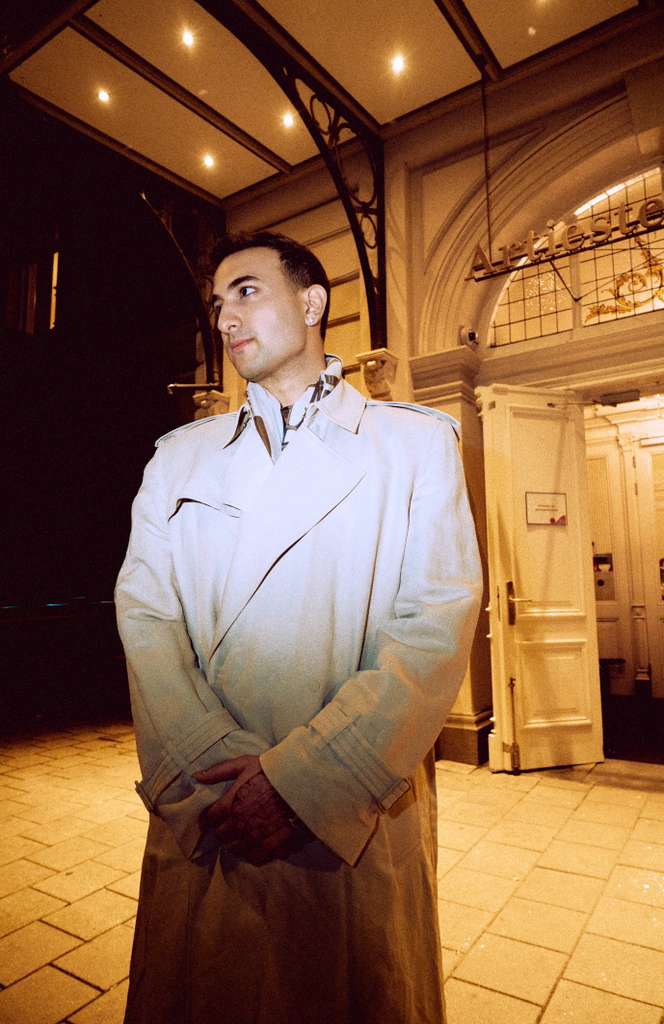
Do people get surprised to see you on stage and your kind of dressing style off it?
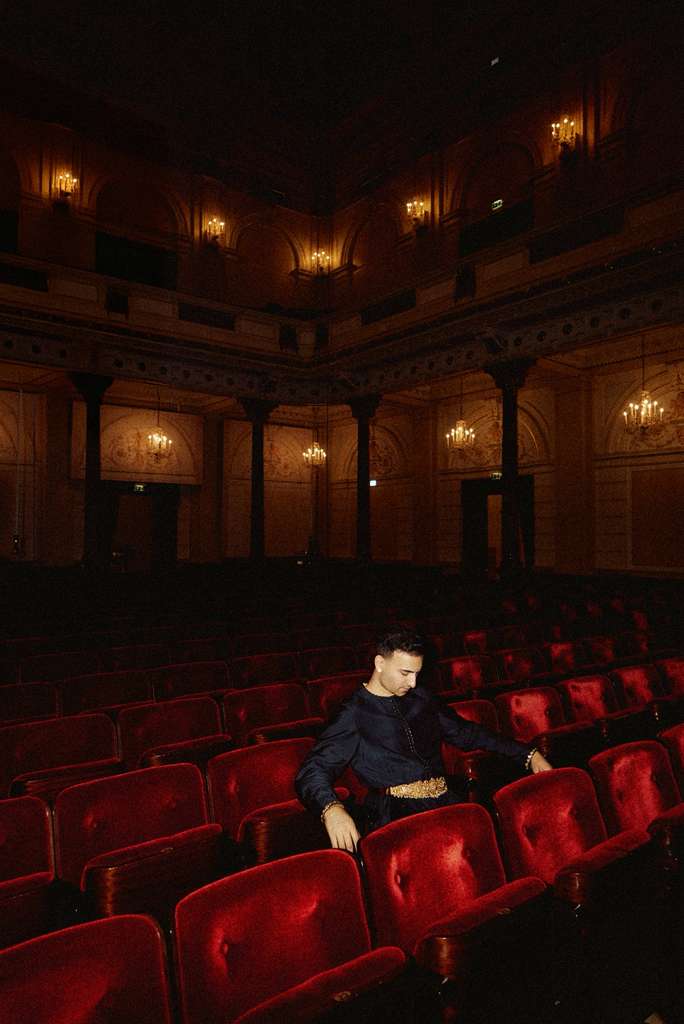
Yes, many do get surprised to see how I dress up on a daily basis versus on stage because off stage I dress like super hip-hop and I like styling a lot. So people are like, ‘oh my God, this is a guy who plays a sitar and wears like these long drape kurtas and angarakhas and also in contrast wears like street style’.
Who would we find on your playlist?
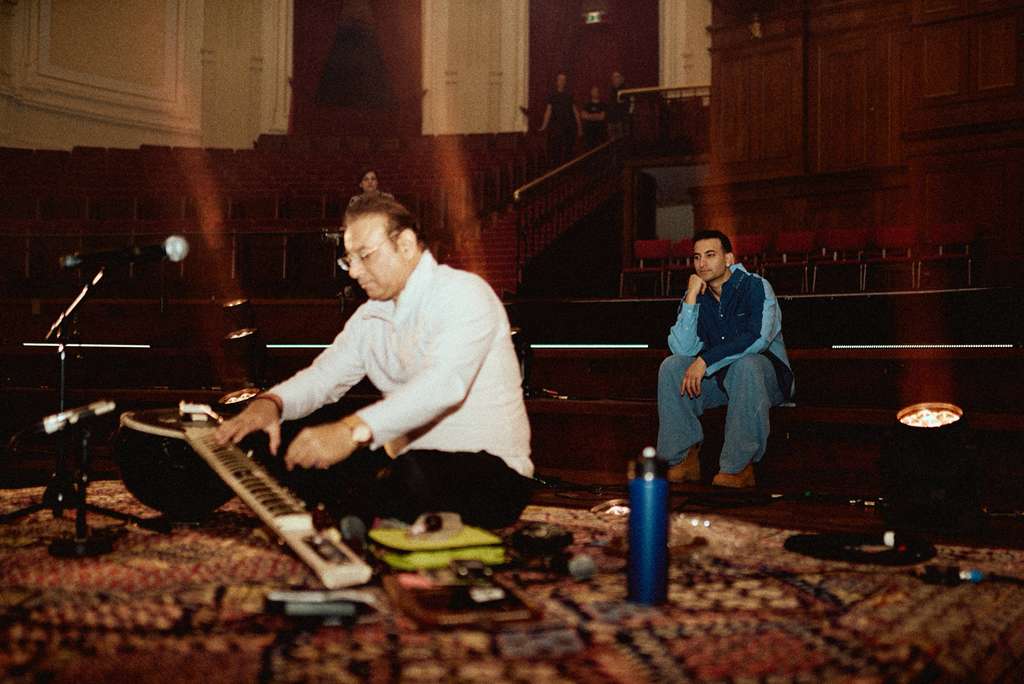
I obviously listen to a lot of classical, I listen to Guruji, I listen to Amjad Ali Khan Sahib, and I listen to a lot of Dhrupad music. But I also listen to like hardcore rap music, like Kendrick, Playboi Carti, Kanye West, a lot of Remma. There’s like, it’s a whole khichdi of all that and a lot of jazz, like old jazz, Chet Baker, some Herbie Hancock, some Sade.
What’s the coolest thing about being a globally renowned musician?
I don’t think I’m globally renowned yet, I’d say I’m still on my way (laughs).
But you just finished a UK, Europe, US, Canada tour and the response was an amazing all sold-out concert everywhere, so yes, it’s not wrong to say globally!
Well, yes, the response was overwhelming. It’s really a blessing to see all these cities to just be houseful and beautiful theaters that I’ve played at. And just seeing all of these theaters full of people and more importantly, full of love. It really means a lot. And I just feel like I’ve done some really good karma in my past life that I’m receiving now.
Any particular artists that you’re really looking forward to kind of collaborating with in the future or who’s on your wishlist?
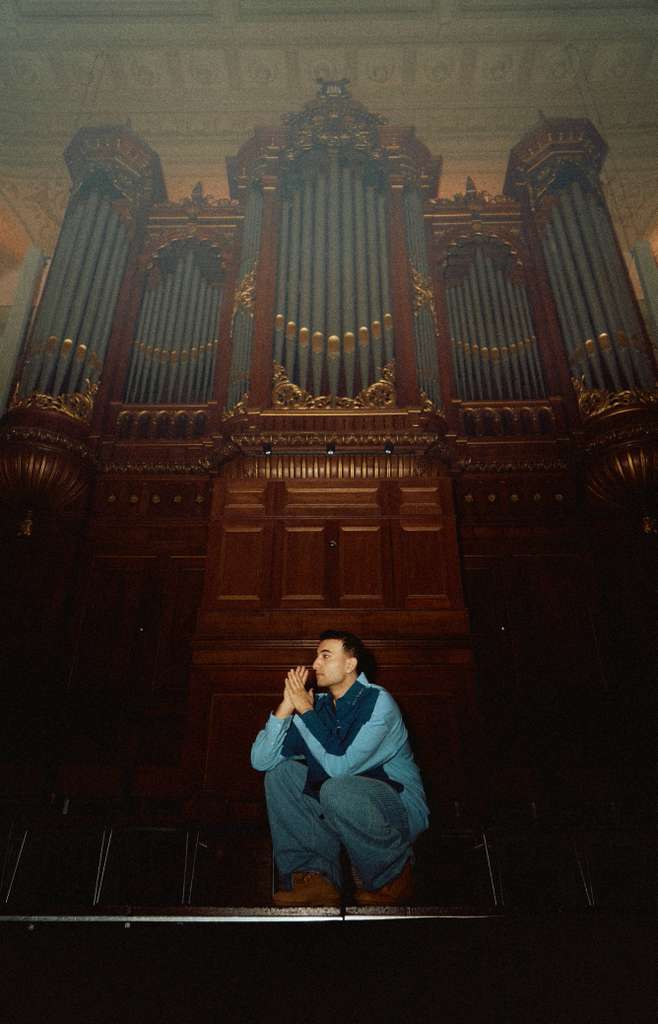
I would really love to make something with The Weeknd. And Kanye also, music-wise he has been a really good artist. He’s been a really big influence in my productions and everything that you’ve heard by me is produced by myself. So I really like getting my hands dirty and just like experimenting with different things. So I think, yeah, these are the two people I would really love to collaborate with. It would be really interesting.
What’s your take on Bollywood music?
I feel like Bollywood music is a big umbrella to judge. Bollywood music is not a genre. It’s all different… AR Rahman is also Bollywood, Pritam Da is also Bollywood. There’s so much variation. So, there are composers who are absolutely killing it, but there’re also some songs that people don’t like, but we can’t just shoot Bollywood music down just because of the few songs that you guys don’t like. So, I mean, Bollywood music is great! It’s such a core part of our childhood and our lives. And it’s still a very big part of your life. And Bollywood music often drives that nostalgia. Like when I play ‘Tum Hi Dekho Na’ or ‘Kal Ho Na Ho’, people really feel something because it takes them back to that time. I personally love Bollywood music!
Any particular artist you want to collaborate with?
I’ve already worked with Rishab Shetty for Kantara, but that’s not really Bollywood. I want to make music with AR one day, but Ajay and Atul are really good at what they do. I would love to work for Ramayana. It’s coming up so that would be great! There’s so many animated movies that are also getting made. I would love to compose some stuff for them.
Describe your music in three words!
My music. Oh my God. I feel it can be calm, vigorous and fresh!
And three words to describe you?
I’m also very calm, I’m dedicated and open to new ideas and new thoughts. I want to be a student forever.
One thing about you that only your fans are most likely to know!
That I listen to a lot of underground rap music!
What do you do right before stepping on stage?
I need to meditate, chant. I need to just channel my energy. Clear the energy in the space.
What’s coming up next besides your concert in Dubai?
There’s a lot of new music coming up. There’s this Himachali folk song I just put out a bit of, when I was dancing at my brother’s wedding. So that’s happening soon.