

Paro: The Untold Story of Bride Slavery, starring Taha Shah Badussha, has been officially enlisted on the Oscars Contention List for the 98th Academy Awards, making it eligible for consideration across categories in the 2026 awards cycle.
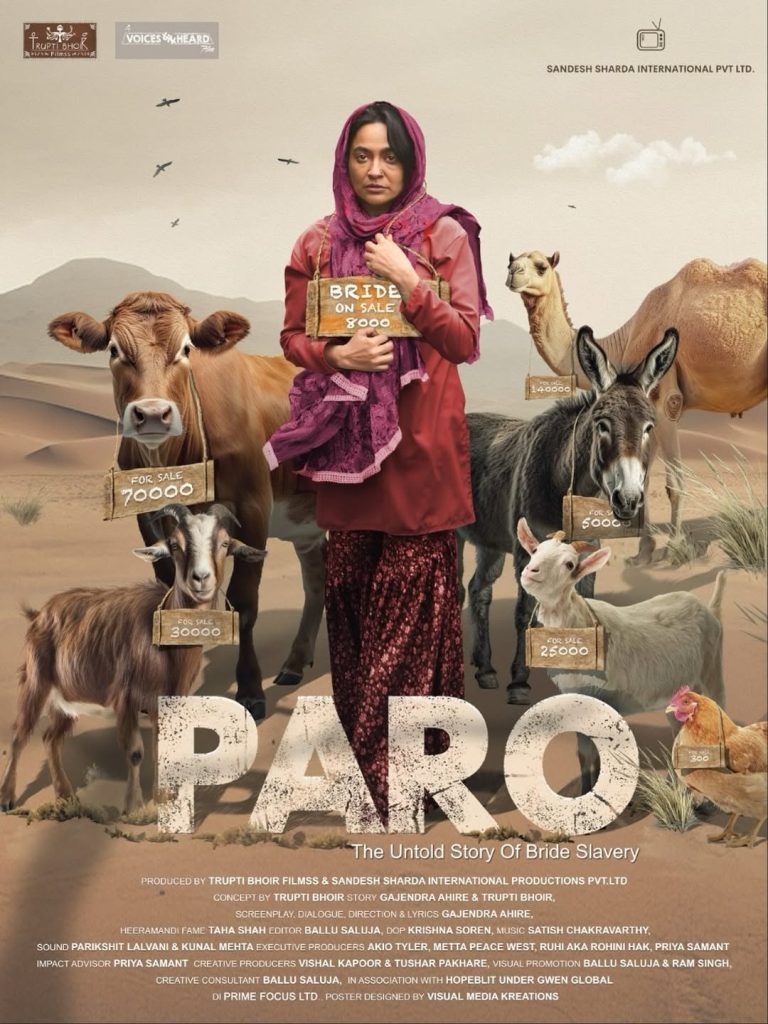
Directed by acclaimed filmmaker Gajendra Ahire and produced by Trupti Bhoir and Sandesh Sharda, Paro is a powerful, socially driven drama that sheds light on the deeply entrenched realities of bride trafficking, forced marriages and bride slavery in India. The film also features Trupti Bhoir and veteran actor Govind Namdeo in pivotal roles.

The film has enjoyed a strong global journey, with screenings at the Cannes Film Festival, Oxford and Harvard Universities, and across cities including Atlanta, Chicago, Los Angeles, Boston, Washington and Mumbai. Paro has received critical acclaim and awards at international film festivals in Norway, Chicago, Holland and Los Angeles, with audiences across continents echoing a common reaction, many were unaware that such a reality existed.

“This film is more than a role. It is a voice for the silenced and a story that deserves to be seen and heard beyond borders. I want to keep transforming. From period films and spies to soldiers, commandos and characters with disabilities, nothing feels off-limits. I dream of epic love stories like Romeo and Juliet or Heer Ranjha, Shakespearean tragedy, mythic heroes and even fantastical worlds like Avatar or 300. I’m grateful to be a part of a film that opens eyes and in the long run, supports women who are living this painful reality every single day.”
– Taha Shah Badussha
Widely appreciated for its restrained, compassionate and issue-led storytelling, Paro’s inclusion on the Oscars Contention List marks a significant milestone in its global cinematic journey and reinforces the growing international recognition for Indian independent cinema rooted in social conscience.

As Paro: The Untold Story of Bride Slavery continues its journey through the international awards circuit, its Oscar contention stands as a powerful reminder that cinema driven by conscience can transcend borders and ignite meaningful global dialogue.